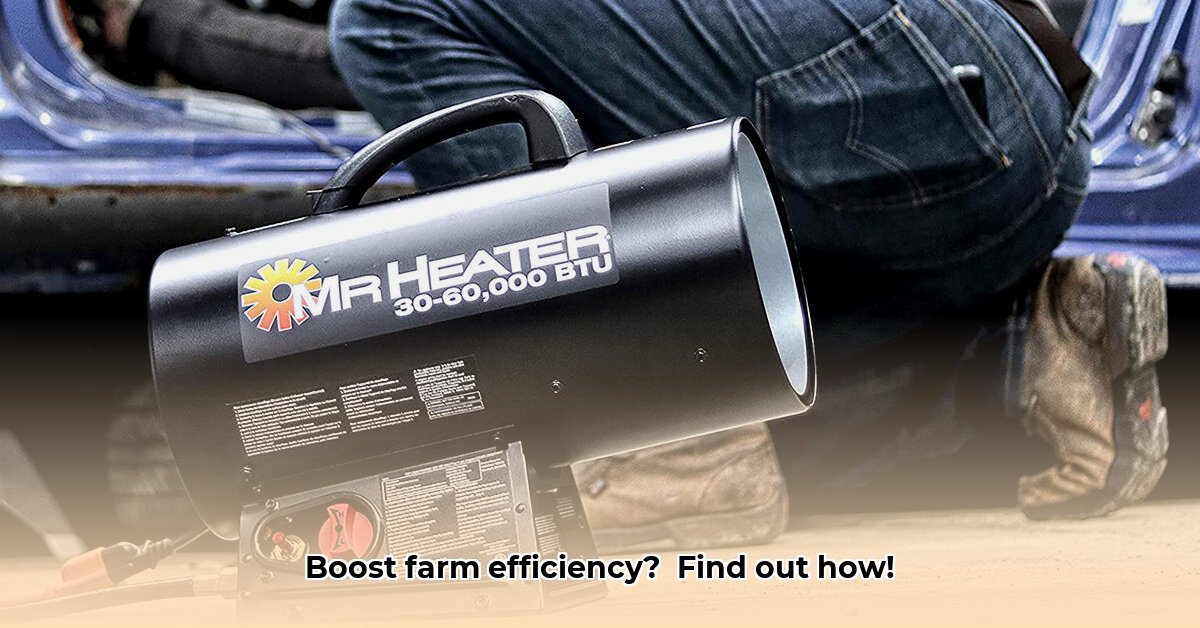
Portable Heaters at Tractor Supply: A Sustainable Solution for Modern Farming
Maintaining optimal farm conditions, especially during fluctuating weather patterns, is crucial for efficiency and profitability. Finding reliable and sustainable heating solutions is paramount, and portable heaters are emerging as a key player in this arena. This article explores the benefits and challenges of cordless portable heaters available at Tractor Supply, providing practical guidance for farmers seeking to enhance their operations while embracing environmentally conscious practices. We'll examine their suitability for various farming applications and discuss strategies for maximizing their effectiveness and minimizing their environmental impact. Learn more about Tractor Supply's heater selection by visiting their website.
Harnessing the Power of Portability: Advantages for Sustainable Farming
Imagine the flexibility of moving warmth precisely where it's needed – a critical advantage of cordless portable heaters. No more wrestling with extension cords; simply place the heater near livestock, delicate seedlings, or other temperature-sensitive areas. This targeted heating significantly reduces energy waste compared to heating entire barns or greenhouses. The ability to easily transport these units between locations further enhances their utility, offering unparalleled convenience for diverse farming operations. This targeted approach directly reduces energy consumption, translating to both cost savings and a smaller environmental footprint. Farmers can easily adjust heating based on need, increasing overall operational efficiency.
Navigating the Challenges: A Realistic Assessment
While the allure of cordless convenience is undeniable, a balanced perspective acknowledges certain limitations. Battery life, for example, is a crucial factor to consider. The operational time on a single charge varies based on the heater's wattage and the ambient temperature. Frequent recharging may be necessary, potentially disrupting workflows. Another aspect to weigh is the electricity source. While convenient, reliance on electricity from non-renewable sources offsets the environmental benefits. The initial cost of cordless heaters is typically higher than corded alternatives; however, potential long-term savings from reduced energy usage can justify the investment. Finally, weather resistance is essential for outdoor applications, and careful selection is needed to ensure durability.
Addressing Sustainability Concerns: Minimizing Environmental Impact
The environmental impact of electricity consumption is significant. To mitigate this, consider these sustainable practices:
- Embrace Renewable Energy: Utilize solar panels or wind turbines to charge your portable heaters, significantly reducing reliance on fossil fuels.
- Invest in Energy-Efficient Models: Look for heaters with high energy-efficiency ratings, ensuring maximum heat output with minimal energy consumption.
- Responsible Battery Disposal: When the battery reaches its end-of-life, proper recycling prevents harmful materials from entering landfills.
These actions demonstrate commitment to eco-friendly farming practices, aligning with broader sustainability goals.
Tractor Supply's Role: Your Source for Sustainable Farm Heating
Tractor Supply provides a diverse range of portable heaters to suit various agricultural needs. Their selection includes models with varying wattage, battery capacities, and heating patterns. Before purchasing, carefully review product specifications, including customer reviews, to ensure the heater's suitability for your specific requirements. Consider factors such as the size of the area needing heating, the ambient temperature, and the specific needs of your livestock or crops.
Actionable Steps for Selecting the Right Heater
Choosing the appropriate portable heater requires careful consideration. Follow these steps to ensure a successful implementation:
- Assess your heating needs: Determine the size of the area to be heated, the average ambient temperature, and your budget constraints. Consider both short-term and long-term costs.
- Research Tractor Supply's offerings: Thoroughly explore their range of portable heaters online or in-store. Compare features such as wattage, battery life, safety features, and heating area.
- Compare energy efficiency and costs: Analyze the energy efficiency ratings of different models, considering electricity prices and the potential for renewable energy charging.
- Read customer reviews: Gain valuable insights from other farmers' experiences by reviewing customer feedback on factors such as battery life, durability, and overall performance.
- Prioritize safety features: Select a heater with essential safety features, such as overheat protection, tip-over shut-off, and robust construction.
- Perform a cost-benefit analysis: Compare initial investment costs with potential long-term energy savings to determine the overall economic viability for your farm.
Conclusion: Embracing Sustainable Solutions for a Thriving Future
Portable heaters represent a practical step toward enhancing farm efficiency and embracing sustainable practices. While challenges exist, proactive strategies—such as maximizing energy efficiency, utilizing renewable energy sources, and prioritizing responsible battery disposal—can significantly minimize the environmental impact. The ongoing evolution of battery technology and renewable energy integration promises even greater advancements in sustainable heating solutions, paving the way for a more environmentally conscious and economically viable future for agriculture. By carefully considering these factors and choosing the appropriate heater for your unique needs, you can contribute to a more sustainable and profitable farm operation.